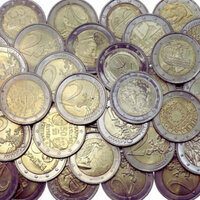


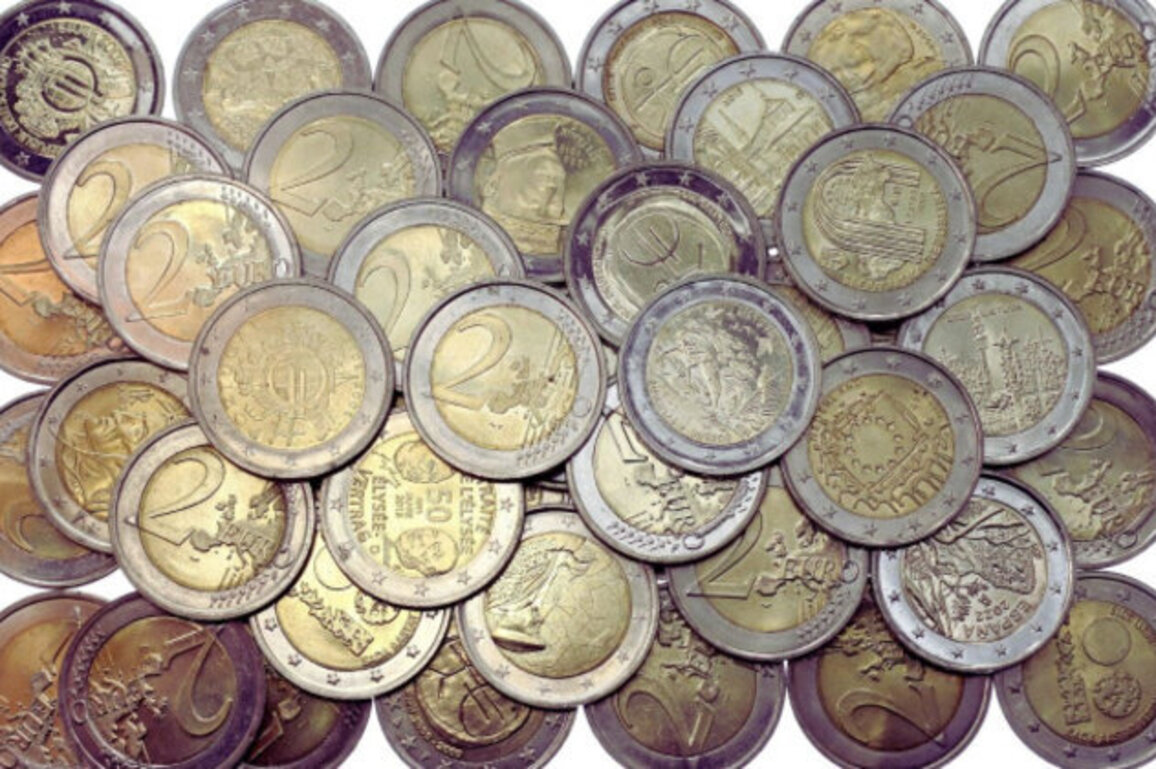
Across the eurozone, the coins carried in wallets tell stories of national heritage and identity, complementing the uniform design of euro banknotes. While the common side of each coin was designed by Luc Luycx of the Royal Belgian Mint, the national side is unique to each member state, showcasing symbols selected by the issuing country. In total, more than 150 billion euro coins circulate across the bloc, all legal tender in the countries using the single currency.
Bulgariahas introduced three different designs for its national side, reflecting symbols from the former lev. All coins display the 12 stars of the EU flag. On the ?1 coin, St. Ivan of Rila, the founder of the Rila Monastery and patron saint of Bulgaria, is depicted holding a cross and a scroll, with the inscriptions "BULGARIA" and "EURO" in Cyrillic, alongside the year of issue.
Other eurozone countries highlight national figures or historic motifs.Austriachose Wolfgang Amadeus Mozart for its ?1 coin, representing its musical heritage.Belgiumhas had three series: the first and second depicted King Albert II with his royal monogram and the year, while the third series, issued in 2014, features King Philippe.Germanypresents an eagle on the ?1 coin, symbolizing sovereignty, designed by Heinz and Sne?ana Ruseva-Hoyer.Greecedepicts an owl inspired by an ancient 4-drachma coin, whileEstoniauses a map outline with the inscription ?Eesti.?Irelanddisplays the Celtic harp, created by designer Jarlath Hayes, andSpainhas shifted from King Juan Carlos I to King Felipe VI over three series.
Artistic and historical representations are common.Italyfeatures da Vinci's ?Vitruvian Man? on the ?1 coin,Cyprusshows a Chalcolithic cross-shaped idol,Latviahas a girl in traditional folk costume, andLithuaniadisplays its Vytis coat of arms.Luxembourgdepicts Grand Duke Henri, whileMaltauses the Maltese Cross.The Netherlandstransitioned from Queen Beatrix to King Willem-Alexander.Portugaluses symbols of its early monarchy, including castles and coats of arms, andSlovakiadepicts a double cross on three hills.Sloveniafeatures Primo? Trubar, the author of the first printed Slovenian book, following a multi-stage selection process involving experts and public input.
Other northern European countries also emphasize cultural symbols.Finlanddepicts two flying swans, its national bird, on the ?1 coin.Franceuses the Tree of Life on the latest ?1 and ?2 coins, representing growth and peace, combined with the national motto.
Countries that adopted the euro more recently or with smaller populations have unique national sides as well.Croatiafeatures a marten, echoing the former kuna,Andorradepicts Casa de la Vall,Vatican Cityhas five series including popes and coats of arms,Monacoshows its princes, andSan Marinoalternates between its coat of arms and the Cesta Fortress.
Each design illustrates how euro coins serve as both currency and cultural emblem, blending European unity with national identity. These symbols highlight history, notable figures, and traditions, making even the smallest coin a representation of a country's heritage while functioning as legal tender across the eurozone.