

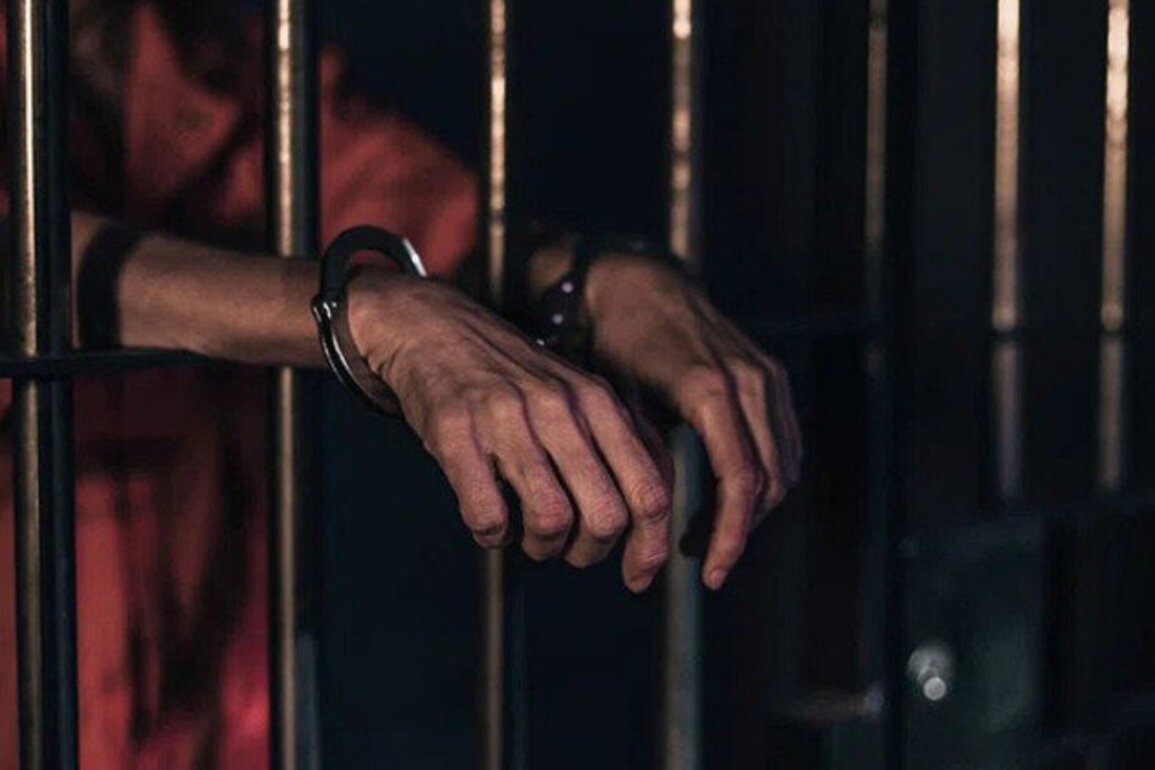
The latest prisoner numbers raise several important questions, asAlan Austinreports.
IF CRIME IS SURGING across the nation, we would naturally expect prison populations to increase accordingly. This is not happening in Australia.
Crimeratestumbled during the COVID pandemic. Citizens under lockdowns were not permitted to have coffee or dine or walk in the park with other people as often as before. Turns out they couldnt assault or kill one another as often as they used to, either.
Since then, crime rates have not returned to the high pre-COVID levels. Yet prisoner numbers keeprising.
The grim reality
According to theAustralian Bureau of Statistics, prisons held 46,998 adults at 30 June 2025. That was 2,595 more than in June 2024, representing a 5.8% increase and the highest number ever, although not the highest rate per population.
Aboriginal and Torres Strait Islander prisoners now number 17,432, up by 1,561 on 2024, a rise of 9.8%. See chart below.
(Data source:ABS)
Prisoner numbers increased in 2024 in every state and territory except Victoria. Numbers increased in 2025 everywhere except Tasmania.
The imprisonment rateis now 216.4 prisoners per 100,000 adult population, up from 208.2 in 2024 and just 200.9 in 2022, which was the lowest in decades. The highest was 221.5 in 2018.
The disparity in rates between the states is enormous, with Victoria by far the lowest at 118.2 prisoners per 100,000 residents. Western Australia is the highest with 357.1 per 100,000. The Northern Territory is vastly worse than any of the states, with an inexcusable 1,419.4 per 100,000.
Surge in the last two years
Disturbingly, the last two years have seen an increase of 5,069 prisoners, which is 12.1%.
As the graph reveals, Indigenous prison numbers increased by 3,580 in the last two years, an appalling 25.8%. Non-Indigenous numbers were up by just 1,346, or 4.8%.
In what may be a sign of greater gender equality, the rate of women incarcerated is now increasing after a long history of grossly disparate rates. Over the last two years, female prisoners surged by 20.9%, compared with 11.4% for males.
Higher imprisonment is not due to worsening criminality. The reduction in violent crime in Australia since the gun laws were reformed in 1996 and again in 2002 has been impressive.
Intentional homicides in 1995 were recorded by theWorld Bankat 19.7 per million residents. This tumbled to 12.1 in 2009 and just 8.5 in 2023.
The main reason is that justice departments and the courts have shifted from allowing unsentenced offenders to remain in the community to remanding them in custody.
Prisoners on remand have increased by 3,913 in the last two years, which is up 24.6%, in contrast to the 4.5% increase in sentenced prisoners.
NT kicks off 'opportunity' plan by locking up children and throwing away keyManaging editor Michelle Pini discusses the alacrity with which the incoming Northern Territory CLP Governmentaims tolowerthe age of criminal responsibility, among other Draconian measures.
Community is no safer
A disturbingstudyby DrEmma Russellet al published last year by the University of NSW found that:
The UNSW study, titled Prisons dont create safer communities, so why is Australia spending billions on building them? proposes a remedy:
Aboriginal and Torres Strait Islanders
This brings us to arguably the most shameful stain on Australias human rights record, which should be at the top of the issues requiring attention.
Indigenous Australians arejust 3.8%of the population, but now represent 37.1% of the prison population. Thats up from 33.0% in 2023 and 27.6% in 2018.
The steepening graph of Indigenous imprisonment sharpens the condemnation of all politicians, media commentators and others who in 2023 campaigned against the IndigenousVoice to Parliament.
As IAarguedpassionately but pointlessly at the time, the First Nations National Constitutional Convention requested a modest reform. This offered the best chance in a generation to set up the framework within which Indigenous leaders could have dealt with the fundamental causes of dysfunction within Indigenous communities.
Thetreacheryof the opportunists who destroyed the aspirations of those Indigenous leaders including most (but not all) Coalition MPs in office in 2023 must never be forgotten. The Coalition will not deserve participation in any national decision-making until they commit to heeding the voices of Australias underprivileged.
Global youth justice methods a lesson for AustraliaSeveral countries in the world boast successful rehabilitation and reform tactics regarding youth offenders, which Australia could learn from and adapt.
Reforms are achievable
The UNSWs Russell study reported:
The study shows that other nations, including the Netherlands, are finding decarceration is not only possible, but has broad economic and societal benefits, including reducing crime:
If the Netherlands can depopulate their prisons, so can Western Australia.
Alan Austinis an Independent Australia columnist and freelance journalist. You can follow him@alanaustin001.
Related Articles
- Locking people up in prisons is not the answer