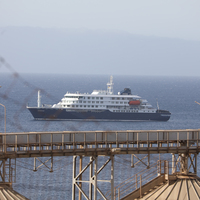



Hantavirus victims on a ship in the Atlantic Ocean may have been infected prior to joining the cruise and human-to-human transmission on board cannot be ruled out although it is rare - the World Health Organization (WHO) said on Tuesday.
Three people have died and three others are ill following suspected cases of hantavirus infection on a cruise ship in the Atlantic, the World Health Organization (WHO) said on Sunday.
Ten days into the outbreak of the previously unrecognized disease known as Severe Acute Respiratory Syndrome (SARS), the United Nations World Health Organization (WHO) today announced that two different viruses have now been identified in patient specimens as the possible source of the deadly illness.The deadly disease outbreak has triggered an international public health response.Seven individuals of the 147 passengers and crew have been reported ill and three have died in what remains a fluid situation,WHOs chief of Epidemicand Pandemic Preparedness and Prevention Dr Maria Van Kerkhove told reporters in Geneva.
One patient is in intensive care in South Africa, although we understand that this patient is improving, she said, while two patients still on board the ship, which is currently off the coast of Cabo Verde, are being prepared for medical evacuation to the Netherlands for treatment.
Dr Van Kerkhove stressed that the situation is being closely monitored. As a precaution, passengers have been asked to remain in their cabins while disinfection and other public health measures are carried out. Medical teams from Cabo Verde are providing support on board the ship.
The plan is, and our highest priority is, to medically evacuate these two individuals to make sure that they receive the required care, she insisted.
There are no other symptomatic patients on board. A third suspected case who reported a mild fever at one point is currently doing well, the WHO official said.
Spain cooperation
The ship is set to continue on to the Canary Islands. Ahead of arrival, Dr Van Kerkhove said that WHO is working with the Spanish authorities who have said that they will welcome the ship to do a full epidemiologic investigation, full disinfection of the ship, and of course to assess the risk of the passengers.
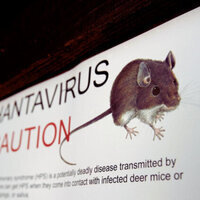
Hantaviruses are carried by rodents and can cause severe disease in humans. Thousands of infections are estimated to occur each year. People usually get infected through contact with infected rodents or their urine, their droppings, or their saliva.
Discussing the suspected origins of the outbreak, Dr Van Kerkhove said that the initial patients, a husband and wife, boarded the boat in Argentina.
With the timing of the incubation period of hantavirus, which can be anywhere from one to six weeks, our assumption is that they were infected off the ship, she said. This was an expedition boat many of the people on board were doing bird watching and seeing a lot of different wildlife.
The cruise stopped at several islands off the coast of Africa, Dr Van Kerkhove continued, some of which have a lot of rodents.
There could be some source of infection on the islands as well for some of the other suspect cases, she said. However, we do believe that there may be some human-to-human transmission that's happening among the really close contacts such as the husband and wife and others who have shared cabins.
Past outbreak lessons
Transmission of infection between people is uncommon, but limited spread has been reported among close contacts in previous outbreaks of the Andes virus, which is part of the hantavirus group.
There are no specific treatments for hantavirus other than supportive care.
Typically, people will develop respiratory symptoms, so respiratory support is really important, Dr Van Kerkhove said, stressing that some people require mechanical ventilation. Intensive care may be required, especially if the condition of patients deteriorates.
Directing her message at the people on the boat, where more than 20 nationalities are represented, the WHO official said: We just want you to know we are working with the ship's operators and with the travellers countries of origin.
We hear you. We know that you are scared, she said. We're trying to make sure that the ship has as much information as they canthat you're cared for and of course, that you get home safely.