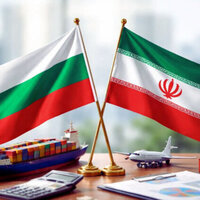


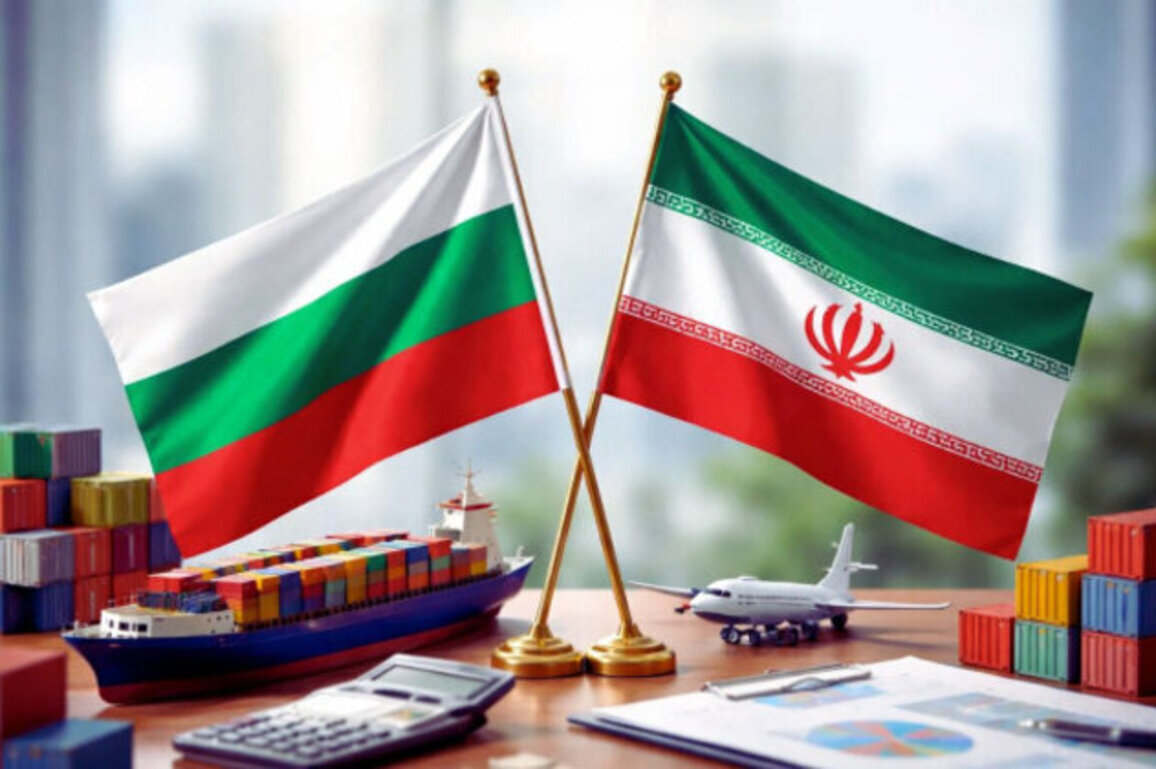
Bulgaria stands out as one of Iran's key trading partners within the European Union, particularly among its Eastern European members, according to BGNES. In overall trade with Iran, Bulgaria ranked seventh in 2025, with a total trade volume of 172.2 million euros, trailing only behind Germany, Italy, the Netherlands, France, Belgium, and Spain.
The country maintains a positive trade balance with Iran. Bulgarian exports to the Islamic Republic in 2025 reached 102 million euros, placing Bulgaria eighth in the EU for exports to Iran. Leading exporters include the EU's largest economies: Germany, the Netherlands, Italy, France, Belgium, Spain, and Austria. Romania ranks just below Bulgaria in ninth place with 80 million euros in exports. From Iran's perspective, Bulgaria is not only the largest trading partner among Eastern European nations but also ranks fourth in terms of imports from the country. Last year, Bulgaria imported 70.2 million euros worth of Iranian goods.
These numbers carry more weight when you understand the backdrop. In late January 2026, the EU adopted new sanctions over serious human rights violations and Iran's continued support for Russia's war against Ukraine. Despite this, trade continues, albeit on a much smaller scale than in the past. In 2025, total trade in goods between the EU and Iran was 3.72 billion euros, according to Eurostat. EU imports were worth 0.76 billion euros, while exports totaled 2.97 billion euros, resulting in a trade surplus of about 2.2 billion euros in the EU's favor. Iran remains a relatively minor partner for the EU, contributing just 0.1 percent to EU exports, while its share of imports was close to zero. In the mid-2000s, both shares were higher, around 1 percent or slightly more.
Trade levels with Iran have historically been much higher. In 2005, EU-Iran trade peaked at 23.8 billion euros. Today, the figure stands at 3.72 billion euros, marking a drop of almost one billion euros compared to 2024, when trade stood at 4.6 billion euros.
Germany is Iran's largest trading partner within the EU, accounting for 31.8 percent of total trade in 2025. Imports from Iran were 218 million euros, while exports reached 963 million euros. Italy ranks as Iran's second-largest trading partner in the EU, accounting for 15.6 percent of total trade. It imported 132 million euros worth of goods and exported 447 million euros. The Netherlands ranked third, accounting for 15.5 percent of total EU trade with Iran. Combined, these three countries cover nearly 63 percent of EU-Iran trade.
Against that company, Bulgaria's 172.2 million euros may look modest. But for a mid-sized Eastern European economy, holding seventh place overall in EU-Iran trade and topping the entire Eastern European bloc is not nothing. It reflects a commercial relationship that has quietly outlasted years of sanctions pressure, diplomatic turbulence, and multiple rounds of EU restrictive measures. Machinery, appliances, chemicals, and optical or photographic instruments constituted almost 90 percent of the EU's exports to Iran in 2024. Bulgaria's own export mix follows this general pattern, meaning its trade with Iran is built on industrial and technical goods rather than luxury or consumer products, categories that tend to be more durable under sanctions pressure because of their perceived necessity.
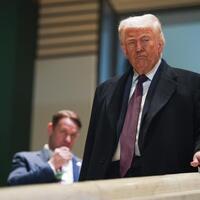
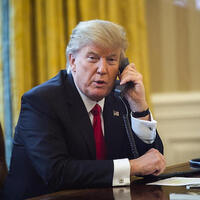
None of this trade happens in a clean environment. The EU reimposed sweeping economic and financial sanctions on Iran in September 2025, including bans on imports, purchase and transport of crude oil, natural gas, petrochemical and petroleum products, the sale or supply of key equipment used in the energy sector, and the sale or supply of gold, other precious metals and diamonds. In February 2026, US President Donald Trump signed an executive order authorizing the imposition of tariffs of up to 25 percent on countries that conduct trade with Iran, targeting Iran's trade partners rather than Iran directly and intended to discourage international commerce with the country. That creates an uncomfortable pressure point for Sofia. Bulgaria trades with Iran legally under EU frameworks, but Washington's secondary sanctions architecture means even compliant trade carries reputational and financial risk. Payments and logistics remain major challenges, with much of the trade conducted through indirect channels or under humanitarian and sanctions-compliant mechanisms. For Bulgarian businesses, that means navigating a compliance maze that larger economies with dedicated legal departments handle more easily.
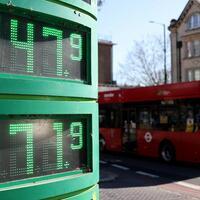
Whatever trade relationship existed before February 28, 2026, it is now operating in a completely different environment. The head of the International Energy Agency described the global economy as facing a major threat because of the Iran war, saying the crisis has had a worse impact on oil than the two oil shocks of the 1970s combined. For energy-importing economies, the main transmission channel is likely to be via inflation. Higher oil and gas prices raise the import bill faced by households and firms, squeezing real incomes and eroding purchasing power. Bulgaria, as a net energy importer, sits squarely in that exposure zone. Whatever gains Bulgaria's exporters made in the Iranian market in 2025 are now being offset by the broader economic pain filtering through from the conflict.
Europe had already been cut off from Russian hydrocarbons, and the Iran war is putting another stressor on top of an economy that has been suffering from long-term declining growth. Bulgaria, which spent years trying to diversify away from Russian energy dependence, now faces a second front of energy cost pressure at the same time. The bilateral trade story with Iran is real and notable. But it is playing out inside a war economy now, and that context changes what those numbers actually mean for Bulgaria going forward.