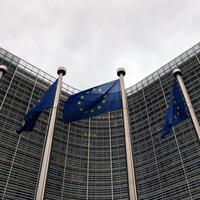


European Union environment ministers have agreed on a diluted 2040 climate target after all-night talks in Brussels, and were due to finalise the deal on Wednesday days before the UN Cop30 summit opens in Brazil.
The agreement keeps the EUs headline goal of cutting greenhouse-gas emissions by 90 percent by 2040 compared with 1990 levels, but adds loopholes that allow countries to meet part of the target through foreign carbon credits and postpone some climate policies.
After more than 18 hours of negotiations that stretched past midnight, a majority of the blocs 27 member states gave preliminary backing to the compromise.
Ministers were to reconvene on Wednesday to give it formal approval.
We believe we have the basis for a political deal. We expect to formally conclude a deal when we resume in a few hours, said a spokesperson forDenmark, which holds the EUs rotating presidency and chaired the talks.
EU considers brake clause in race to agree on 2040 climate goals
Loopholes and offsets
Under the agreement, countries may count international carbon credits towards up to 10 percent of their 2040 target, effectively reducing the domestic cuts required from European industries to 80 percent.
TheEuropean Commissionhad originally proposed a 90 percent cut with only 3 percent of those reductions coming from foreign credits.
FranceandPortugalsupported the higher flexibility, whileSpainand theNetherlandsopposed it, warning it would weaken Europes climate credibility.
Environmental groups said the loopholes undermine the EUs claim to leadership on climate action by diverting investments away from cleaner industries at home.
TotalEnergies convicted of greenwashing over claims of carbon neutrality
Political divide
Behind onlyChina, theUnited StatesandIndiain emissions, the EU has been the most committed of the major polluters to climate action, already cutting emissions by 37 percent since 1990.
But the blocs politics have shifted to the right, and climate priorities now compete with defence and economic pressures.
Countries includingPoland,Italy,Hungaryand theCzech Republicopposed the original 90 percent plan, warning it would harm industries struggling with high energy costs and competition from cheaper imports.
We dont want to destroy the economy. We dont want to destroy the climate. We want to save both at the same time, said Polish Deputy Climate Minister Krzysztof Bolesta on Tuesday.
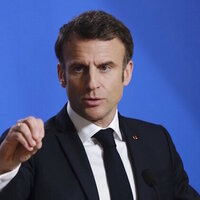
France sought guarantees that its nuclear sector would not lose out under green transition plans, while Spain, Germany and the Nordic nations pushed for stronger targets.
Others, such as the Netherlands andSweden, cited worsening extreme weather and the need to catch up with China inmanufacturinggreen technologies as reasons for ambitious goals.
Record surge in CO2 puts world on track for more long-term warming
Delayed carbon market
To win over sceptical countries, ministers agreed to delay the launch of the EUs new carbon market for transport and heating fuels by one year, to 2028.
Poland and the Czech Republic had demanded the change, saying the measure could raise fuel prices.
The agreement also calls for extending free pollution permits for heavy industry and keeping low-carbon fuels in road transport, a nod to concerns about the planned 2035 combustion engine phaseout. The 2040 target will also be reassessed every two years.
Spanish Environment Minister Sara Aagesen said Europes credibility was on the line.
We have a lot at stake. We are risking our international leadership, which is fundamental in this extraordinarily complicated context, she said to reporters on Tuesday.
Ministers also reached agreement on a 2035 emissions target, known as aNationally Determined Contribution, whichParis Agreementsignatories are expected to present atCop30.
The target was set at between 66.25 and 72.5 percent.
EU officials said the compromise ensures the bloc will not arrive in Brazil empty-handed, even if the result is less ambitious than many had hoped.
They insistEuroperemains committed to reaching net zero by 2050 while balancing environmental and economic concerns.
The EU said it mobilised 31.7 billion euros in public climate finance in 2024, making it the worlds largest donor.
(with newswires)
Originally published on RFI