

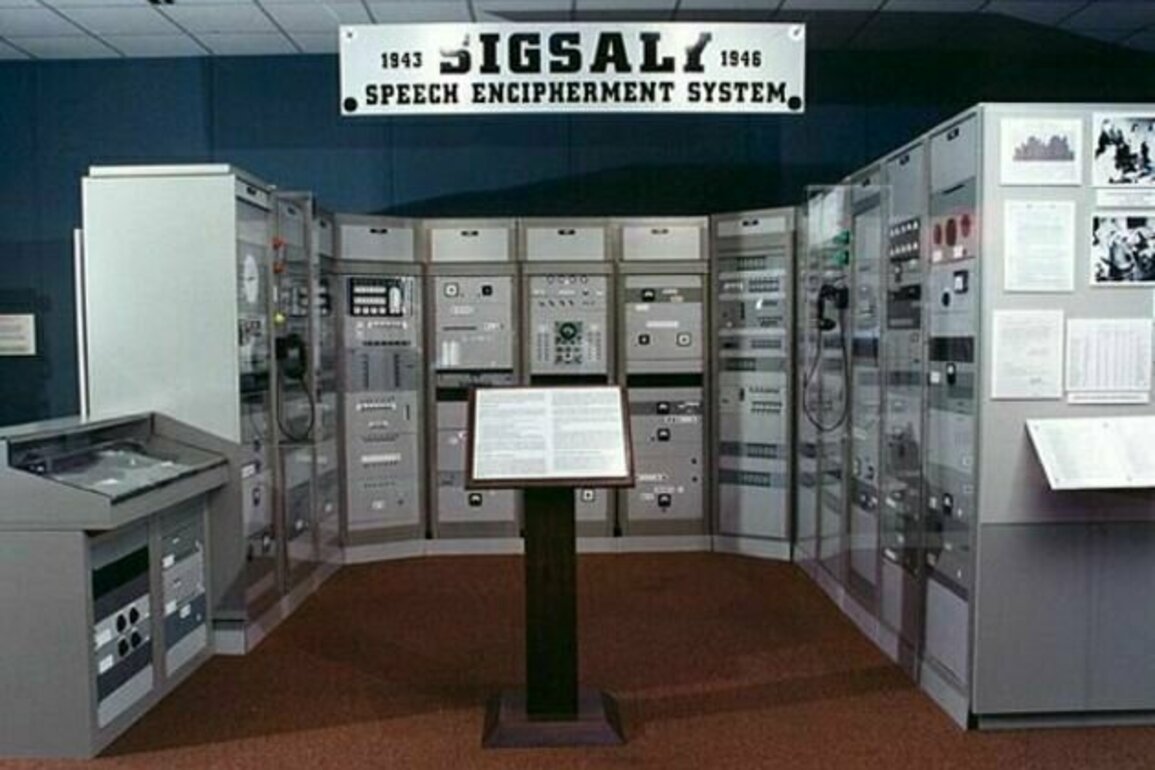
Long before smartphones and streaming, a secret room in wartime Brisbane helped usher in the digital era, one encrypted word at a time, writesPaul Budde.
LONG BEFORE the digital revolution, a little-known wartime technology calledSIGSALYquietly reshaped the future of secure global communication and Brisbane played akey rolein its deployment.
Developed byBell Telephone Laboratoriesduring World War II, SIGSALY was the worlds first digital voice encryption system. It allowed Allied leaders to speak securely across vast distances without fear of interception a remarkable achievement in an era when vacuum tubes, turntables and shortwave radios were the norm.
What made SIGSALY extraordinary was its pioneering use of technologies now considered fundamental to modern telecommunications. It converted voice signals into digital data using pulse-code modulation (PCM), a process still used today in everything from mobile phones to streaming platforms.
World's first 'useful' quantum computer to be built in BrisbaneGovernment investment in U.S. tech firm 'PsiQuantum' is a significant move towardsthe world's first quantum computer being built here in Australia, Paul Budde reports.
The system then encrypted those signals using a one-time pad synchronised random noise recorded on phonograph records making its messages theoretically unbreakable. The sophistication of the encryption meant that even if the signal was intercepted, it would sound like nothing more than static.
Only 12 SIGSALY terminals were ever built, and Brisbane was among the handful of cities trusted with this top-secret technology. As the headquarters of the South West Pacific Area under GeneralDouglas MacArthur, Brisbane was central to Allied operations in the Pacific theatre. Secure communication between MacArthur and Washington was not just strategic it was essential.
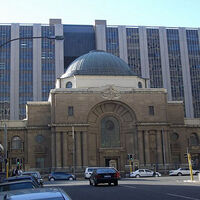
From a secure U.S. military communications facility in Brisbane located in the AMP Building on Queen Street encrypted messages were sent via shortwave radio to San Francisco. From there, the signals were relayed by landline to Washington, D.C. This formed a direct, real-time, encrypted voice link between MacArthur and Allied leadership at the highest levels.
Each SIGSALY system filled an entire room and weighed over 40 tonnes. It took a team of trained personnel to manage the equipment and precisely synchronise the encryption keys at both ends. Despite Axis efforts to tap into Allied communications, no SIGSALY transmission was ever successfully broken a remarkable feat of wartime security.
The existence of SIGSALY remained classified until the 1970s. Only then did the public learn how far ahead of its time the system had been. Its influence can be seen in everything from encrypted military communications to civilian technologies likeVoIP, digital voice assistants and secure messaging apps.
Brisbanes role in this hidden history is a reminder that Australia's involvement in wartime innovation extended far beyond the battlefield. At the intersection of war, technology and cryptography, the city helped pioneer the secure communications we now take for granted. In many ways, the digital age began not just in labs and tech centres, but also in a secure room in wartime Brisbane one encrypted word at a time.
BOOK REVIEW: Deceptions of World War IICamouflage techniques, deception tactics and double agents are all explored in a fascinating new book going behind the scenes of World War II.
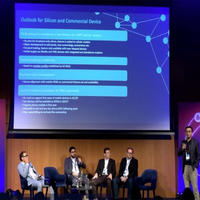
This forgotten piece of technological history was one of many explored during the international symposium onAllied Co-operation in Brisbane during WWII, which I helped organise through theCamp Columbia Heritage Association, at the University of Queensland. Held in August 2025, the event brought together scholars and historians from Australia, the United States, the Netherlands and the United Kingdom to examine Brisbanes pivotal role in the Pacific War.
What emerged strongly from the symposium was how much of the digital era owes its origins to the wartime work of Allied intelligence services. While frontline combat drew most of the headlines, it was behind-the-scenes breakthroughs in communications, codebreaking, logistics and computation that laid the groundwork for modern IT systems.
SIGSALY, for example, was developed in response to the need for a secure voice link betweenRooseveltandChurchill. Similarly, across the globe at Bletchley Park,Alan Turingand his colleagues were cracking the GermanEnigma code, building what many consider the first true computers in the process.
These developments were not isolated. They were part of a broader Allied wartime intelligence network that relied on mathematical logic, early computing and cryptographic innovation. The technologies born out of this effort not only helped win the war but also seeded the information age that followed from digital encryption and signal processing to computer science and secure networks.
As history has shown, necessity is often the mother of invention. Brisbanes overlooked contribution to the secret world of wartime technology is a perfect example of how a city on the periphery of global conflict helped shape the very centre of our digital future.
Paul Buddeis an IA columnist and managing director of independent telecommunications research and consultancyPaul Budde Consulting. You can follow Paul@PaulBudde.