


Western Australias rising prison population exposes systemic neglect, with overcrowding, suicidality and the absence of prisoner rights laws driving cycles of harm, writesGerry Georgatos.
* CONTENT WARNING: This article discusses self-harm and suicidality
AUSTRALIA'S ADULT PRISONER population has surpassed44,403 as at 30 June 2024, growing by 6% from the previous year, including a 15% increase in descendants of the First Peoples now 15,871 people, representing 36% of all inmates. Of these, Western Australia accounts for 7,792 prisoners, a 15% rise over 2023, largely driven by a sharp escalation in remand detainees.
Nationally, more than 41% of prisoners some 18,036 individuals remain on remand, an increase of 13% in one year. Though remand growth attracts frequent scrutiny, this is far from the sole driver. In WA, remand has long grown faster than sentencing populations, especially among First Peoples women, compounding systemic disadvantage.
Within WAs custodial network 16 prisons, includingBanksia Hill Youth Detention CentreandUnit 18at Casuarina cells are routinely overcrowded. Recently, up to four prisoners have been crammed into a single cell. At Casuarina andHakeaprisons, a substantial number are forced to sleep on mattresses on the floor: 62 at Hakea, mostly remand prisoners awaiting court, and 17 at Casuarina, according to a disclosure by theOffice of the Inspector of Custodial Services.
Australia must raise the standard of prisoner rightsThe high mortality rate in Australian prisons is alarming as shown by more progressive nations, it doesn't have to be.
The overcrowding crisis is not just spatial it has cascading psychological, physiological and mental health consequences. Overcrowded conditions erode privacy, dignity and rest. They heighten risks of violence and self-harm. Dangerous environmental factors such as ligature points remain pervasive. AGuardian Australiainvestigation identified 57 deaths across Australia linked to unremoved ligature hazards. Despite reforms since 2005, systemic vulnerabilities remain in WA.
Excessive confinement correlates with elevated suicidality. Well beyond overcrowding, many prisons across Australia subject inmates especially First Peoples women to repeated lockdowns. In Victoria, lockdowns due to staffing crises triggeredseven suicide attemptsin a month, disproportionately affecting First Peoples women. WA is no stranger to chronic staffing and mental health crises, though fewer public accounts exist.
First Peoples continue to bear the brunt: WA incarcerates First Peoples juveniles at 78 per 10,000, compared with 37 per 10,000 in the United States. For adults, therate of imprisonmentrose from an age-standardised 2,266 to 2,559 per 100,000 between 2023 and 2024. Australias incarceration rates of its First Peoples now eclipse those of colonised nations worldwide.
Yet Australia remains deficient in statutory prisoner rights protections. Legislative frameworks such as state-level Youth Offender acts and Criminal Offender acts orient towards incarceration rather than genuine life transformance. Although theAustralian Human Rights Commissionaffirms prisoners retain basic rights under theInternational Covenant on Civil and Political Rights(ICCPR), breaches are common and complaint mechanisms limited. Health care in prisons remains chronically unequal to community standardsMonash researchdescribes a continuing human rights crisis despite policy intentions.
TheRoyal Commission into Aboriginal Deaths in Custodymade 339 recommendations, including a key proposal Recommendation 224 for all states to enact Custody Notification Services (CNS): legal hotlines ensuring every First Peoples detainee receives immediate legal and welfare support. By 2018, only NSW and A.C.T. had legislated CNS. WA implemented informal services post-2019 but still lacks binding legislation. NSW underwrites CNS through the 2005Powers and Responsibilities Act, which prohibits testimony or charges until police ensure detainees have CNS access. I helped to broker the CNS for WA, SA and the NT but, to date, none have legislation equivalent to NSW.
Another key proposal, Recommendation 329, called on a national standards body to legislate minimum prisoner rights. This would have ensured access to health, legal representation, dignity and community-equivalent conditions. Yet it remains the only recommendation not endorsed by the Australian Senate, following a deliberate block from the Northern Territory Government. This failure continues to undermine reform and fuels systemic inequality.
Juvenile justice: Why Australia must choose Norway over the U.S.Around the world, sharply opposing views on juvenile justice are emerging and understanding them is crucial if Australia is to head in the right direction.
The pathway out of overcrowding is not more beds. WA already allocates more than $800 million per year to incarceration and by 2023 had committed $300 million to new prison bed expansions a strategy reform advocates (myself included) criticise as reinforcing cycles of imprisonment. Per-prisoner daily costs in WA exceed $411, or about $150,000 annually per person.
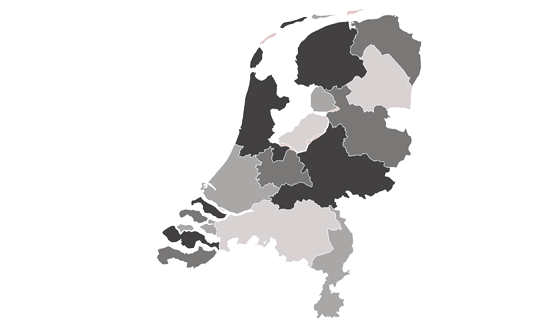
International models prove alternatives work. In Norway, more than 90% of children who offend once do not reoffend, due to community support, education and rehabilitation. In WA, by contrast, 90% of children arrested once reoffend testimony to squandered opportunity and systemic neglect. The Netherlands has closed many prisons, showing rehabilitation-centred systems reduce imprisonment without compromising safety.
Despite decades since the Royal Commission, WA and national legislatures have not codified human rights-based detention law. The A.C.T.sHuman Rights Act 2004applies to prison services in theAlexander Maconochie Centre, mandating community-equivalent services. QueenslandsHuman Rights Act 2019similarly guarantees humane treatment, though implementation falters. WA lacks any such statutory rights framework.
Key obligations under the Optional Protocol to the Convention Against Torture (OPCAT) include reducing reliance on imprisonment, ensuring decent conditions and preventive monitoring none of which are institutionalised across WAs prisons.
The psychological toll is multifaceted: disrupted sleep, reduced access to programs, increased self-harm and violence, limited culturally appropriate support and worsening mental illness. Remand prisoners nearly half of all inmates often lack access to rehabilitation programs due to legal uncertainty and short stays.
Urgent legislative reform is essential. WA must adopt binding prisoner rights statutes guaranteeing minimum conditions, health access, legal representation, independent complaint mechanisms and culturally responsive care. Custody Notification Services must be legislated, avenues for reporting abuse protected, and OPCAT monitoring enforced. Prison policy must shift from incarceration to early intervention, diversion strategies and community-based alternatives that support at-risk youth and adults alike. It is also ageist to argue anyone is too old to change.
History shows that building more prisons just grows the population; closure is the better path. Legislation protecting prisoner rights would create conditions for transformation, not punishment enabling education, work and cultural reconnection that reduce recidivism.
WA urgently requires a human rights-based prison overhaul: rights legislation, oversight, exit supports, community alternatives and alignment with international obligations. Without this, overcrowding, suicidality, systemic racism and intergenerational harm will persist. Implementing robust prisoner rights laws is not just a moral imperative it is essential public policy to break cycles of incarceration and rebuild lives.
If this article has raised any issues for you, contact Lifeline on 13 11 14.
Gerry Georgatosis a suicide preventionand poverty researcher with an experiential focus on social justice.
Related Articles
- Morals versus ethics: Australia's flawed justice system